David Storey - Shadowplay
Exhibition E-Catalogue
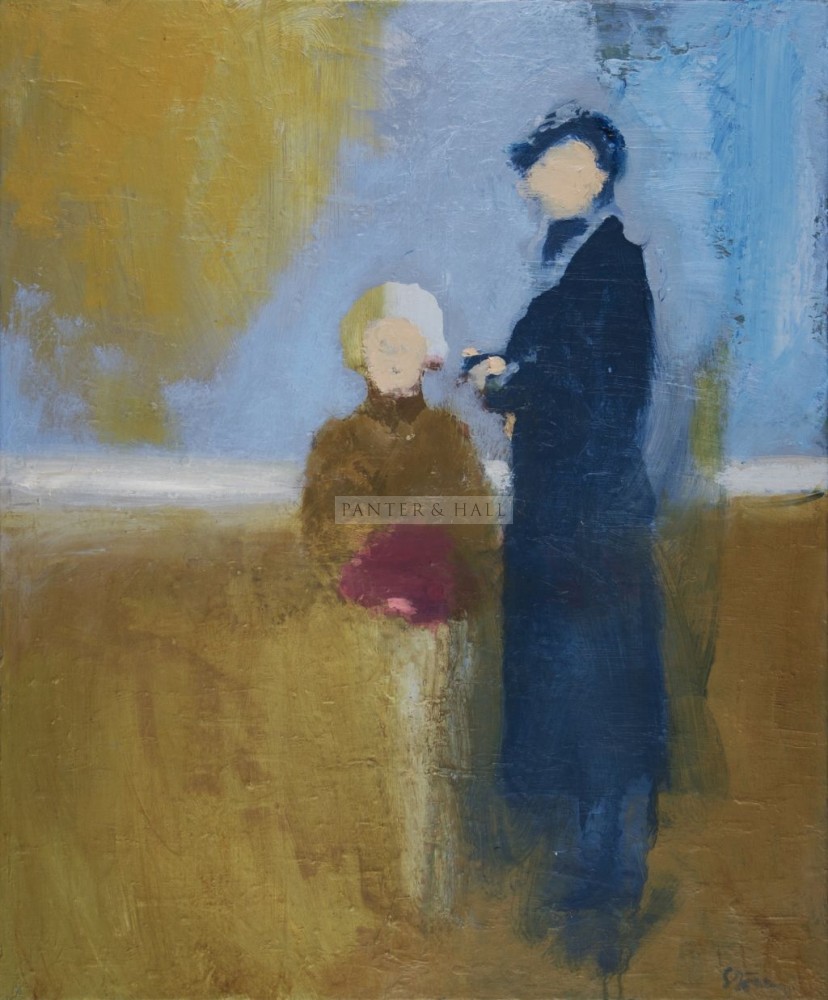
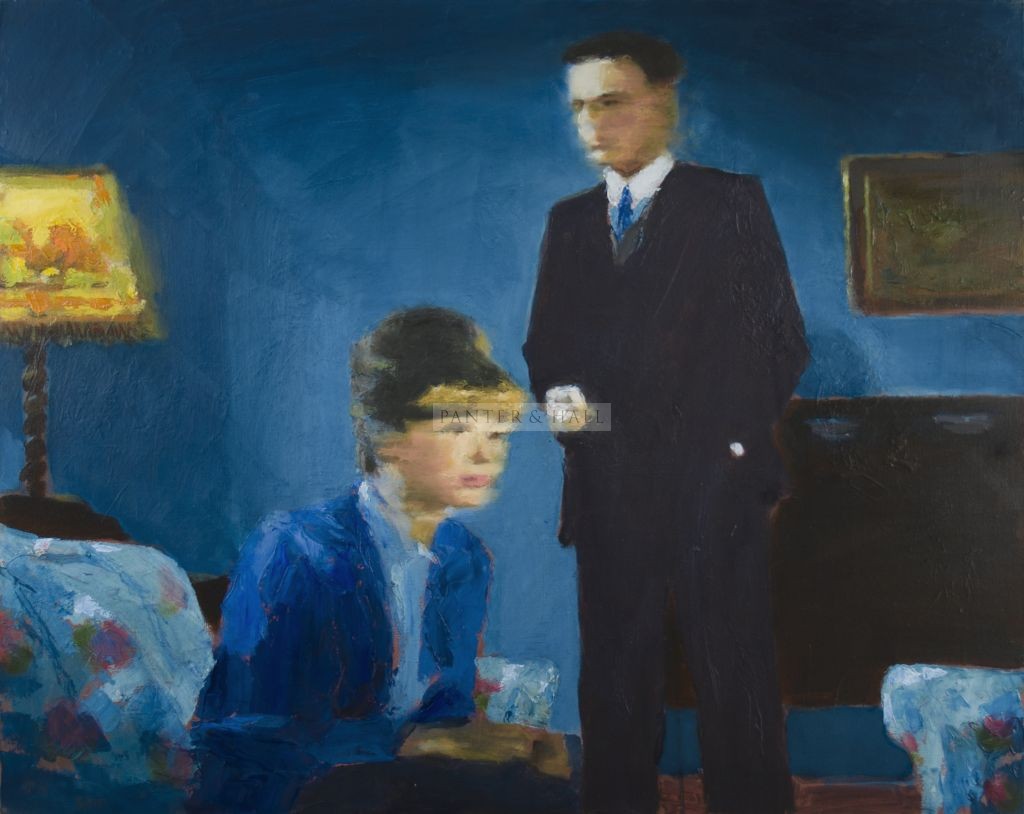
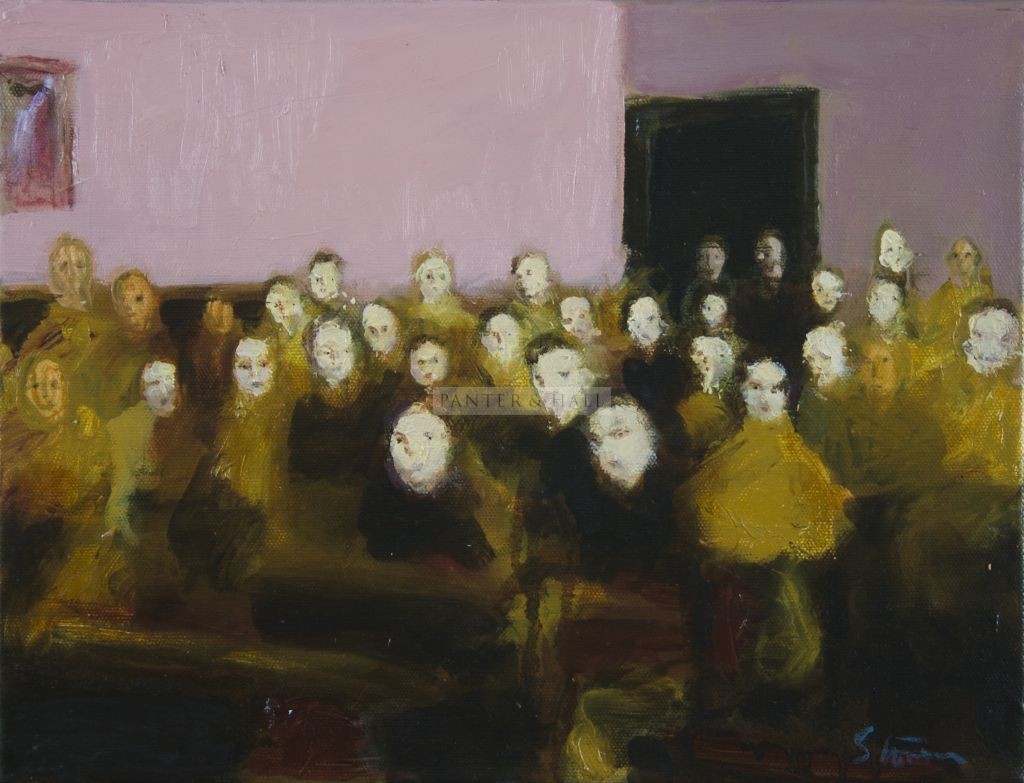
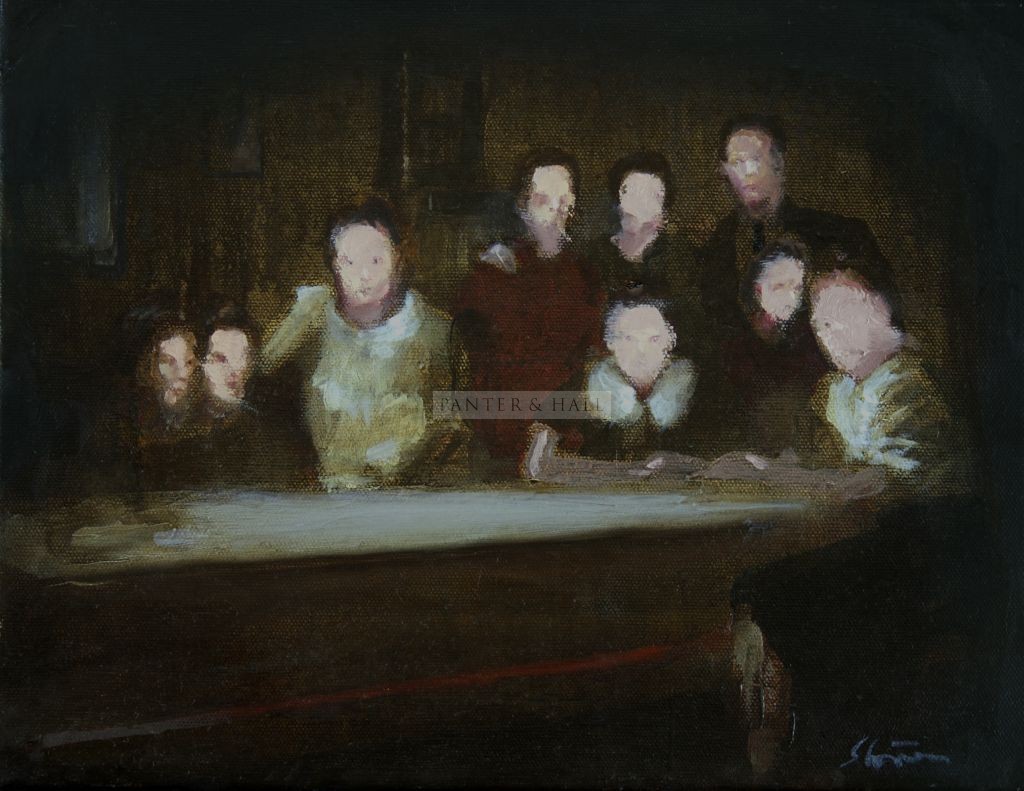
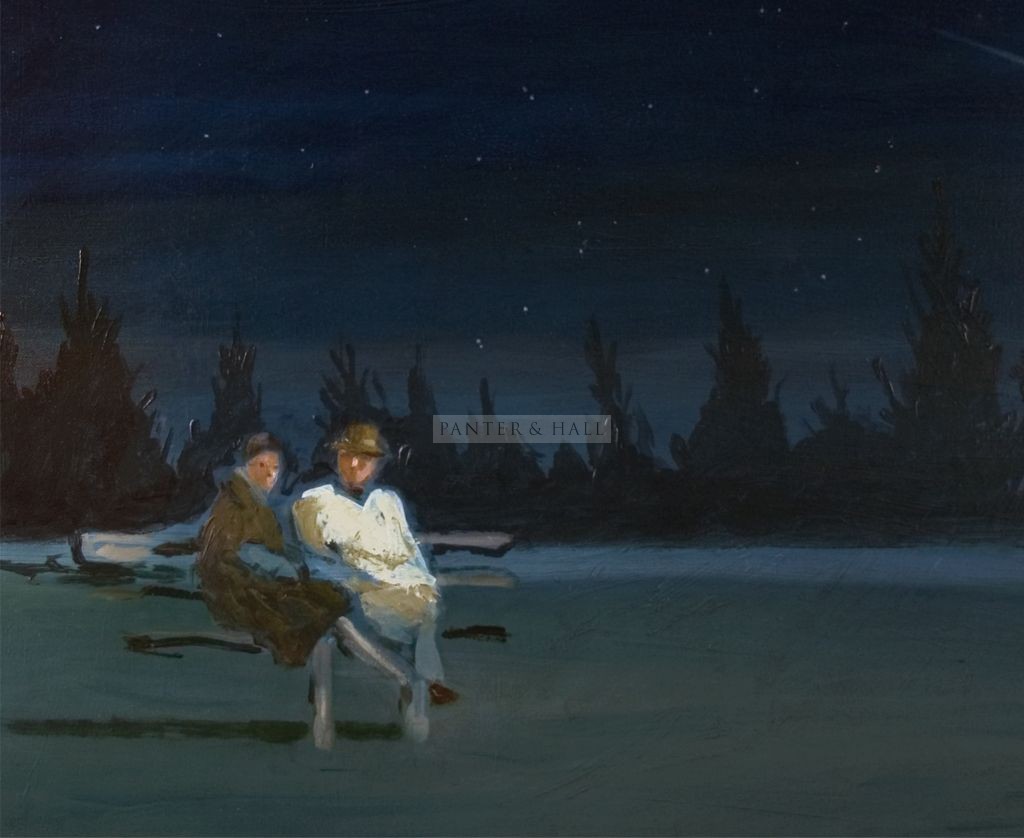
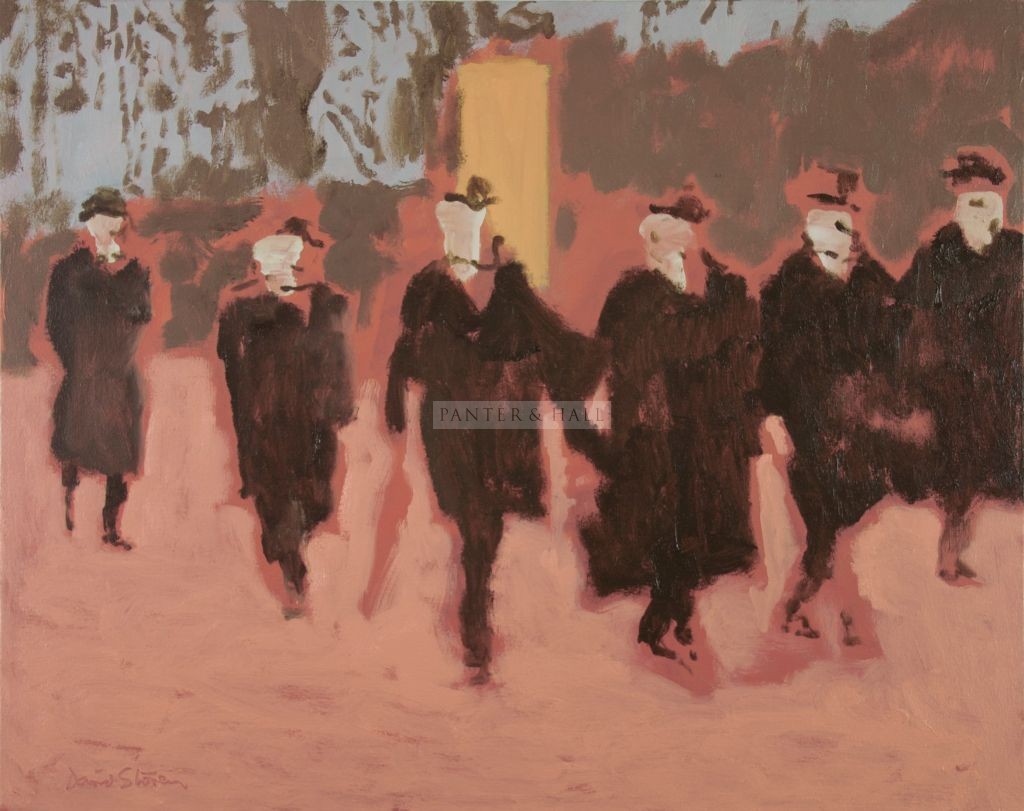
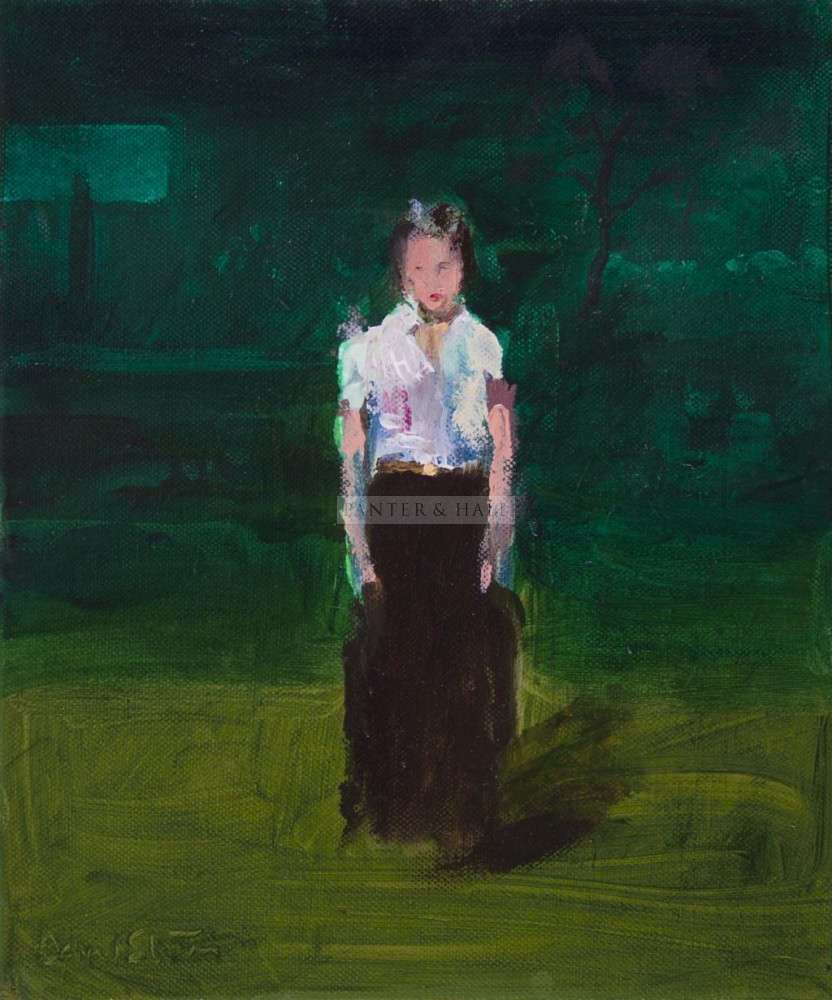
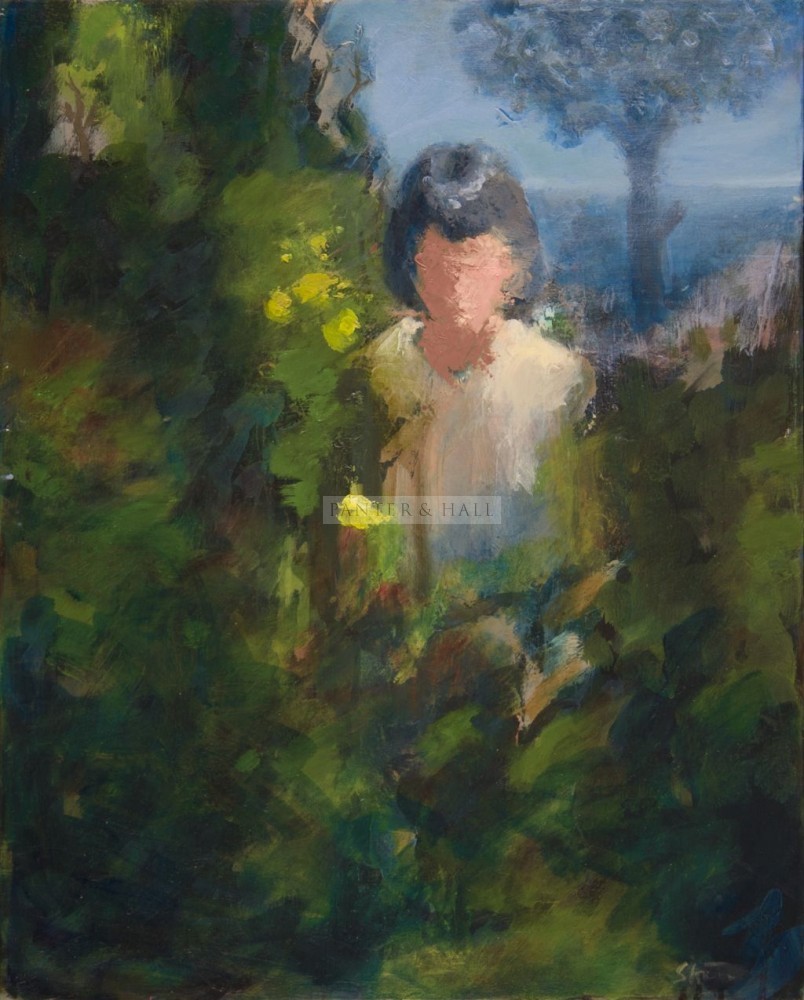
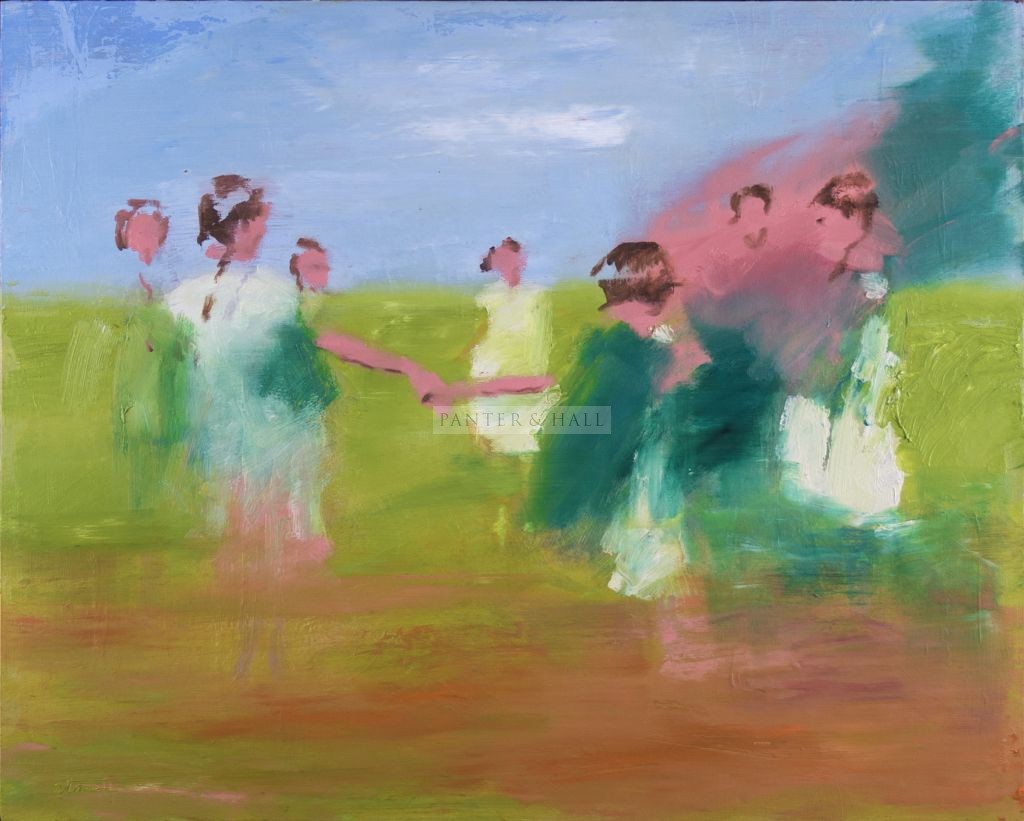
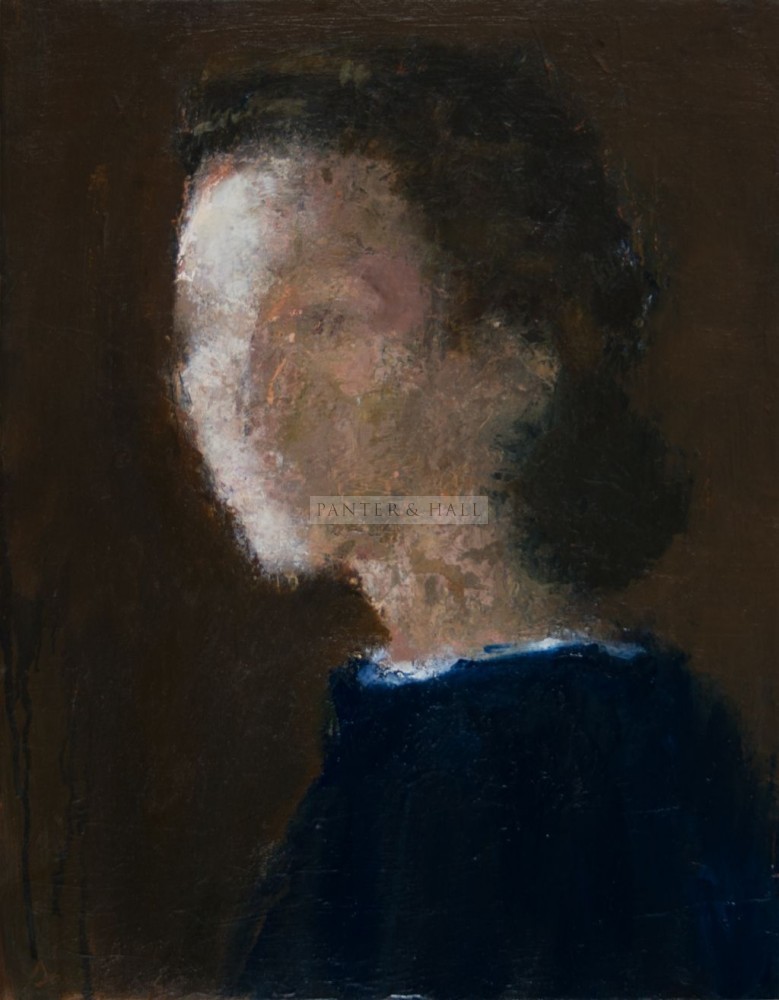
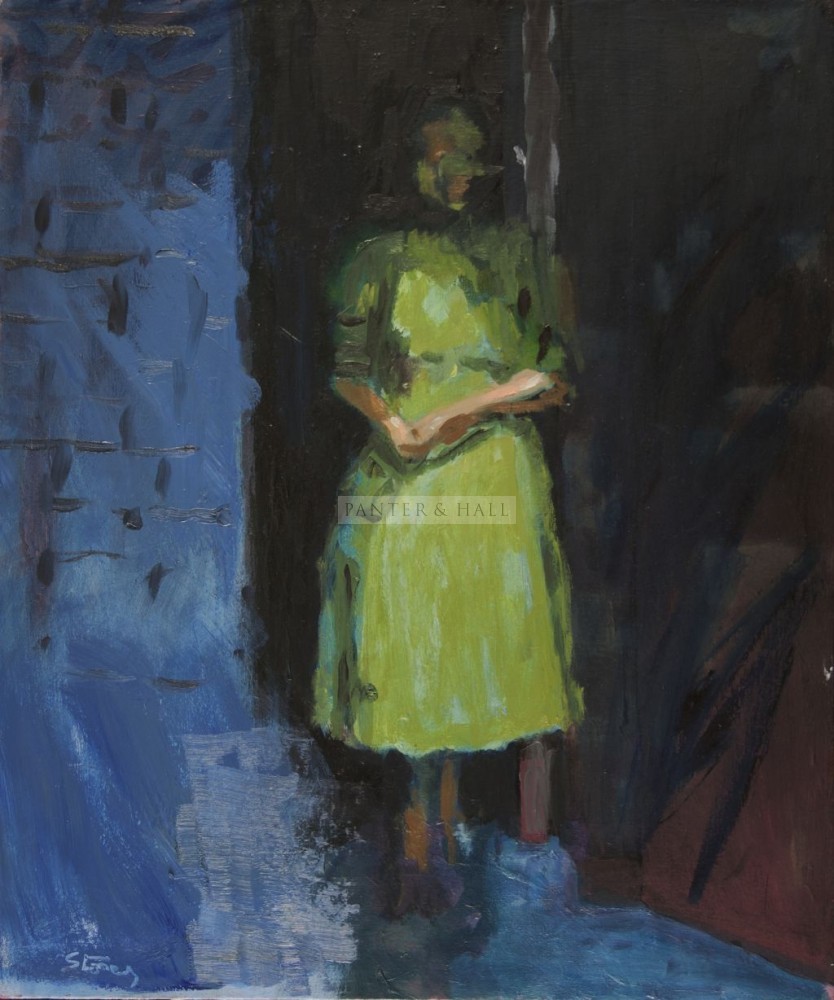
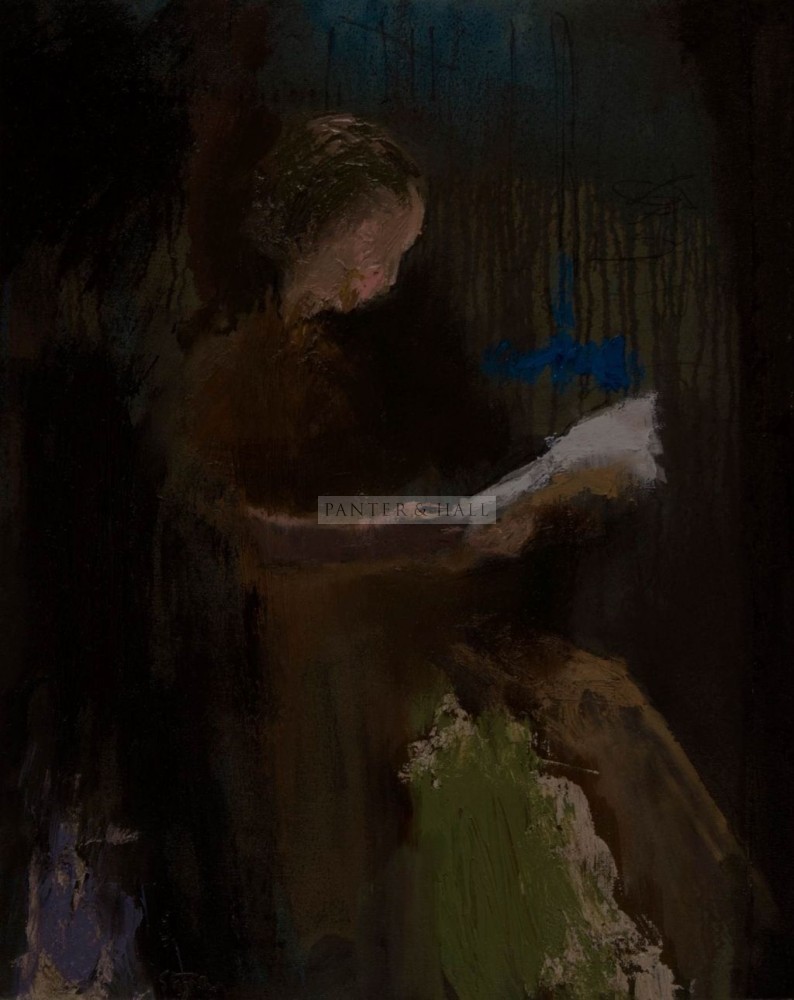
Threadneedle Prize finalist David Storey is a figurative painter. His psychologically charged paintings are about memory, with half-remembered people and places emerging from complex layers of texture and colour. He says,
'My feeling is that, for everyone, whether they think about it much day-to-day or not, memories remain self-defining. I come from West Cumbria, which is a bleak coastal plain, welded onto the side of the Lake District. The municipal buildings are built of sand stone that turns black when it rains... and it rains an awful lot there. But my childhood there was a happy one so maybe that's why my work has a haunted feel to it – perhaps it's a kind of yearning.
Personally, I find working with memory very therapeutic as well as creatively invaluable. For example, when I was six or seven years old, I was off school ill one day and my mother found an old jigsaw that she gave me to make. The problem was, the box didn't have a picture to follow. Anyway, I spent all day assembling the puzzle, which turned out to be a really haunting image: a painting of a bedroom shown in semi- darkness—deep maroon bedcovers, rich wall tapestries in bottle green and dark blue, with gold trim—and inside the bed a gaunt woman, either asleep or dead. Memories of experiences like this are hugely valuable to me. It has become a kind of paradigm. I become haunted by the image I'm working with and it's tremendously satisfying when I manage to get the milky idea from the back of my mind onto the canvas.
I'm after a sort of 'hazy recollection' of an event. I love to 'feel the paint' when I'm working, it's an exhilarating way to work and when it's successful the paint has a wonderful expressionist quality. As I say, my aim is to capture a 'glimpse' of the action, without overworking it. I try to keep the use of a paint brush to a minimum and use rags, palette knives and my fingers instead. I hope my approach also loads the picture with a sense of movement and energy. As a result though, I admit, like many visually expressive artists, I've always had a problem knowing when a painting is finished.’
Richard Unwin, of the Art Collective, says of his work,
“Sharing in their fragility, the characters Storey depicts are aware they stand on the edge, but they are aware too that we who look on them are also fragile. The blurred faces gaze out as if to ask if we who exist now have forgotten those who went before and if we believe our experiences today are really unique; the couples trapped in tension stand as a mirror to all relationships, while the most haunting characters come as associates of Ebenezer's ghosts, ready to awaken us to who we truly are.”